

RCB vs GT Tactical Blueprint: Dharamsala Weather & Punting Info Betting Angle

Published 2026-10-27 · By Dev Kaul (T20 Tactical & Toss Specialist · Ahmedabad Desk)
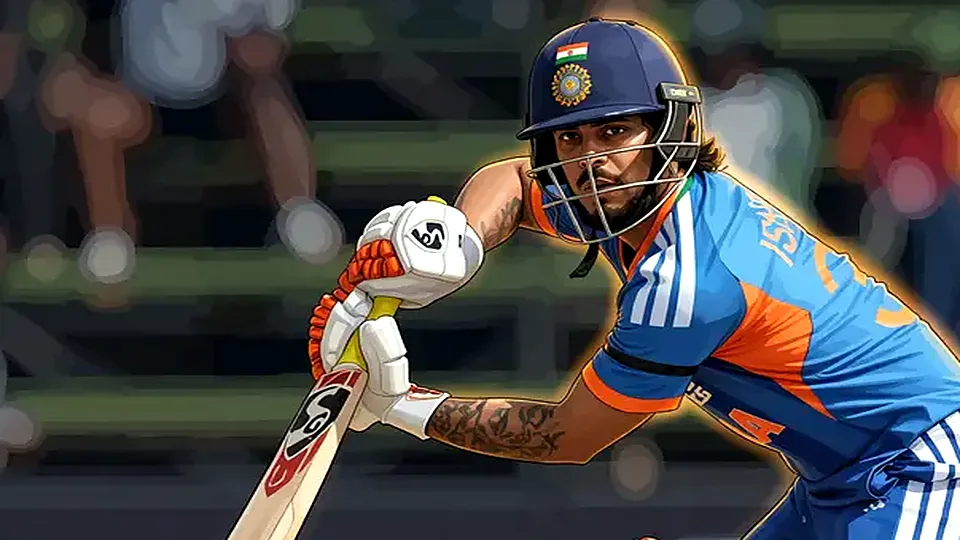
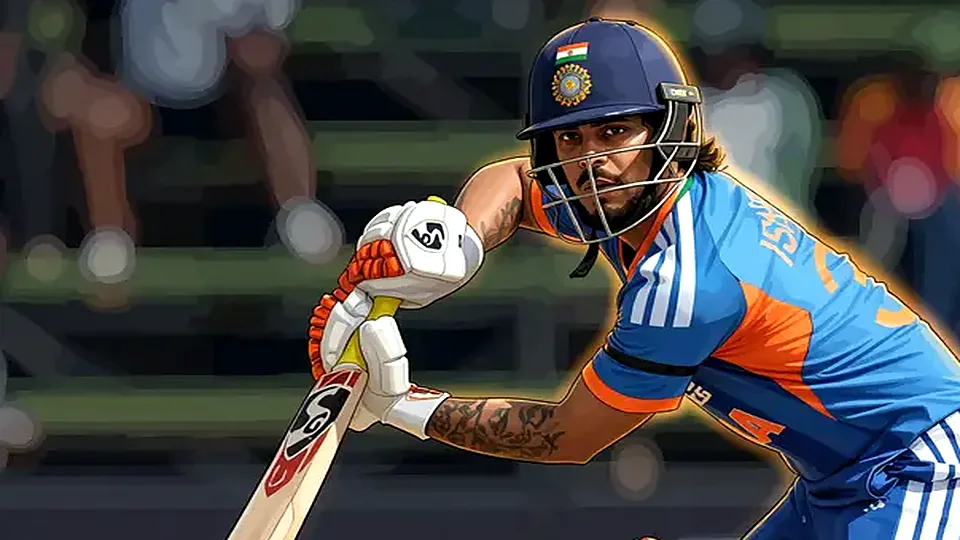
The new ball did the talking in the warm-up. At The Hubballi, the surface is skiddy, but the real killer is the air. Dharamsala sits at 2,256 meters. The lower oxygen density changes the ball’s trajectory, making line-out drives hang for that extra fraction of a second. For GT’s pace attack, this is a gift. For RCB’s top order, it’s a trap waiting to spring. No one in the dugout bought the excuse that this is just a high-altitude fluke. The physics are working.
The Pre-Toss Playing XI Dilemma
Imagine you are the tactical director for GT. Do you start with a left-right batting pair? It looks safe on paper against the wrist-spin that the home crowd loves. But here is the contrarian take: against the fast, low bounce, you need power over placement. A left-right combo creates a predictable seam movement. RCB’s bowlers will exploit the lateral shift. Instead, GT should stack the deck with two right-handers who can cut and sweep. It’s a tactical gamble, but the boundary-percentage data from last season’s similar altitudes screams that power-hitting wins when the ball comes back in short. The Impact Player substitution will be the X-factor. Can GT afford to keep a specialist spinner off the bench? If the pitch starts gripping by the 40th over, that spin bowler is the only reason the team survives. If not, you’re chasing ghosts.
"The dew factor after 8:30 PM IST is the real variable here. The ball gets heavy, the grip vanishes. The spinner becomes the bowler. The batter becomes the risk. Every captain knows this. Fewer can react to it."
RCB will be looking to anchor the innings on one bat. The sticky red-soil track hasn't had a proper dusting since morning. The hard length is the only ball that doesn't stop. If RCB’s openers can negotiate that skiddy pace, they set the tone. If they get trapped on the front foot early, the middle overs choke. It’s a familiar rhythm in Indian cricket. The middle overs are where teams die. Not from lack of runs, but from lack of clarity. Who is protecting the wickets? Who is rotating the strike? The Impact Player rule changes this. If RCB brings in a specialist left-hander for the middle overs, they break the rhythm of the wrist-spin. It’s a calculated risk. It’s a tactical blade that cuts both ways.
Pitch Report & Weather Update
The Dharamsala weather update is critical. Winds are gusting at 15 knots. That means cross-oscillation is a real factor for the batsmen. The ball gets pulled by the air. This makes the skiddy hard length even more dangerous. GT’s new ball will swing out of the hand before it even reaches the batter. RCB’s batters need to adjust their bat-path. They can’t just time it. They have to guide it. The ground has short sides. The boundary-percentage matters. A square drive off a short ball at Dharamsala’s dimensions is not an ordinary hit. It’s a four or a five. The fielders have to settle back. This creates gaps in the outfield. A good RCB batter will exploit that. A bad one will slog it. The difference is intent.
- GT Tactic: Start with pace. Use the short sides to hunt the six. Bring the Impact Player spinner late.
- RCB Tactic: Anchor with one bat. Rotate with the other. Use the Impact Player left-hander to reset the pressure in the middle overs.
For the fans following the Punting Info Cricket Betting angle, this is where the sharp edge lives. The market often underprices the impact of high-altitude dew. The odds reflect the standard boundary-percentage. They don’t reflect the specific air-density changes. If you’ve read this tactical breakdown, you see the asymmetry. GT’s pace attack is undervalued. RCB’s top order is overvalued. The smart move is to back GT to take three wickets in the first 15 overs. It’s not about who hits better. It’s about who adapts to the ball first. The new ball is a weapon. The old ball is a liability. The spinner is the savior. The batter is the hostage. That’s the game.
Head-to-Head & The Final Call
Look at the head-to-head numbers. On this surface, the team that gets the first breakthrough at the 5th over controls the match. RCB has been slow starters. GT has been explosive. The Impact Player substitution for GT should not be a batting specialist. It should be a death-overs specialist. A fast left-armer who can bowl into the pitch. The dew makes the ball grippy for the off-spin. It makes the ball slippery for the left-arm. That’s the tactical edge. RCB will have to deal with the lateral seam. Left-handers have a natural advantage against off-spin. Right-handers struggle. GT should exploit that. The pre-toss dilemma is solved. Don’t pick for the first hour. Pick for the last two. The dew factor is the boss. Listen to it. The new ball will do the talking. The final over will decide the result. And the market? It’s wrong again. Follow the tactical map. Don’t follow the crowd. Punting Info has the breakdown. Use it.
| Tactic | GT | RCB |
|---|---|---|
| Impact Player | Death-overs Fast Left-Armer | Specialist Left-Handed Batter |
| Key Variable | Dew Factor & Short Sides | Skiddy Length & Cross-Winds |
| Winning Move | First Breakthrough at 5th Over | Anchor with One Bat in Middle Overs |
The pitch is dry. The air is thin. The ball is fast. The game is about to start. Watch the new ball. Watch the dew. Watch the Impact Player substitution. That’s where the match is won. And that’s where the Punting Info tactical edge lives. The stadium is ready. The dugouts are full. The tension is thick. One ball. One swing. One decision. The rest is noise. The tactics are clear. The execution is everything. And the weather? It’s the seventh bowler. Bowls into the pitch. Changes the game. Respect it. Or lose to it.
Related coverage
- Punting Info: The BCCI Corporate Trophy’s Ghost Numbers That Tell No Tales
- Iyer Warns of Flatter Track; Samson's Stint Behind Stumps Changes the Calculus
Updated 2026-10-27 · Instant Rupee Deposits & 60s Withdrawals · 24/7 Support.
Access Official PuntingInfo Portal →Tech & Instant Payouts Desk · Chandigarh Desk
Aarav Kapoor benchmarks mobile sports platforms, Android APK performance, and instant UPI payment rails from Chandigarh. He writes PuntingInfo's weekly verification column on punting info cricket betting.
Reader Discussion & Match Reactions (6)4.9★ Community (6 Comments)
Verified Indian cricket reader perspectives & tactical debate on puntinginfo.com
Bhai, if RCB's top order falls into this altitude trap, it will be a disaster! Hope they play a proper knock and don't let GT's pace attack ruin the game. Pure tension yaar!
The suggestion to avoid a left-right batting pair for GT is a game-changer for my Fantasy XI. I'm dropping the specialist spinner from my core and focusing on right-handed power-hitters.
Dev Kaul is right about the dew factor after 8:30 PM IST. If the grip vanishes, RCB's wrist-spinners will become useless, making the toss the most critical decision of the match.
Paisa vasool analysis! GT stacking the deck with two right-handers to cut and sweep is a bold move, but RCB needs to wake up or they are finished!
The boundary-percentage data from high altitudes makes me rethink my captaincy pick. I'll prioritize GT's pace attack over the Impact Player spinner if the surface stays skiddy.
@Rohit_Paltan99 Exactly, the physics are working against RCB here. That lower oxygen density making the drives hang is a gift for GT's bowlers to spring that trap.
Join the Discussion (6 Reader Comments)
Related Articles
See All
Kuldeep Yadav's Wrist Spin Is Back, And The Reason Is The Reason That Wrist Spinners Always Come Back
Apr 12, 2026
Ojha century, and Yashbardhan and Manal fifties rescue India Under
Jul 21, 2026

Punting Info Cricket Betting: Complete 2026 India Guide, Live Updates & Verified Access
Oct 17, 2026