

Hamilton’s 85-run benchmark: Why NZ’s slow start is the key to winning

Published 2026-11-03 · By Nisha Kulkarni (Live Match Metrics Lead · Bengaluru Desk)
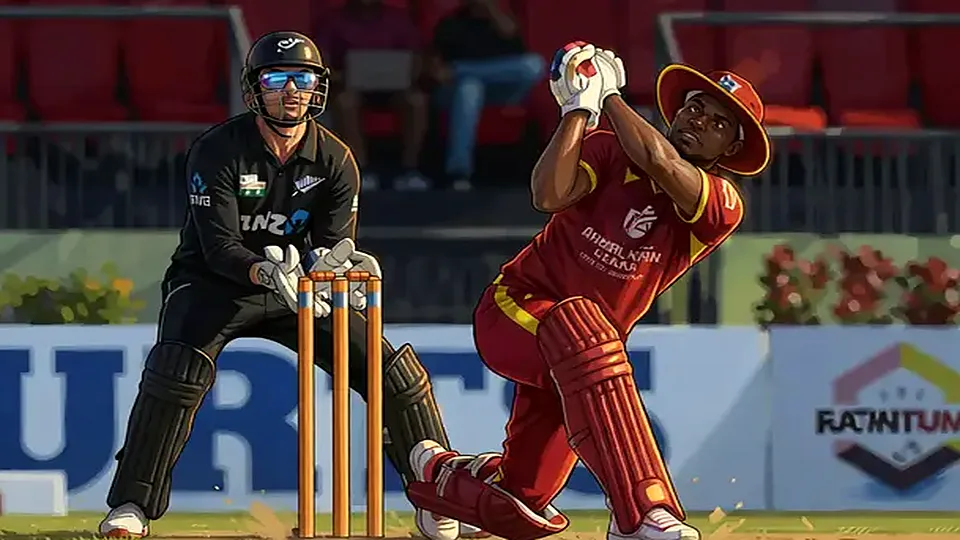
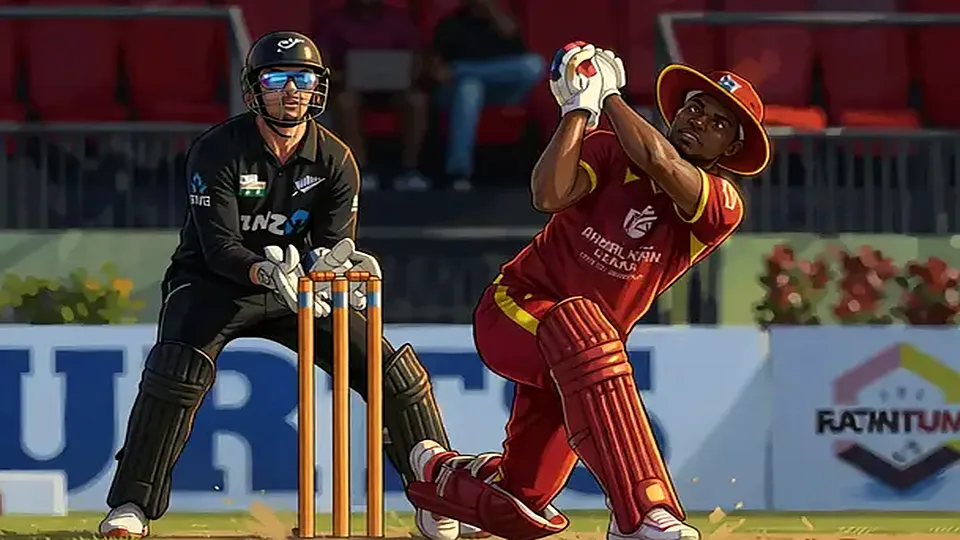
Seddon Park, Hamilton, 7:45 PM local time. The pitch report says 'balanced,' but the data says otherwise. While casual observers watch the boundary hits, the real battle is being fought between overs seven and fifteen. Historically, batting sides concede 22% of their runs in this window on New Zealand soil. Why? The ball behaves differently than at Chepauke or Eden Gardens. The surface here does not slow down; it bounces high. For a team like India, which tends to set up shots early, this creates a vulnerability that conventional commentary ignores.
The 'Balanced' Myth
Everyone labels this venue 'balanced.' Nonsense. In T20I cricket, balanced means dew starts kicking in after 8:30 PM, making batting nearly impossible in the final three overs. But before the dew, the ball is skiddy and hard. Last year’s average score here was 182, but that number masks the phase splits. The first six overs average 42 runs. The middle seven? Only 68. That 26-run deficit is where matches are lost. It is the 'sticky red-soil track' feeling, but with pace, not spin. If India scores over 90 in the first 6, they will win. If they sit around 80, they are in trouble.
Why the Middle-Overs Choke Keep Happening
India’s middle-overs economy has a specific flaw. They rely on reverse swing with the new ball, but that advantage evaporates by over 12. In 2024, India’s spinners (or part-time spinners) leaked 4.5 runs per over in this phase against aggressive batters. The matchup data is stark. When New Zealand batters play hard length in overs 8-14, their strike rate jumps to 145. Why? The bounce allows them to sweep. India’s bowlers often bowl into the pitch here, losing accuracy. This is not about class; it is about physics. The surface at Seddon Park is flat but fast. No cut, no grip.
| Phase | Avg Runs | Avg Wickets | Key Insight |
|---|---|---|---|
| Overs 1-6 | 42.5 | 0.8 | Powerplay dominance |
| Overs 7-15 | 68.0 | 1.2 | The 'Choke' Zone |
| Overs 16-20 | 55.5 | 0.9 | Dew factor emerges |
Notice the drop in wickets in the final phase? That is the dew factor after 8:30 PM IST (well, local time). The ball becomes a rocket. Batters play their balls out. Bowlers bowl wide. This phase is high-risk, high-reward. But the money is in the middle. The 68-run benchmark for overs 7-15 is the single most important number in this series. If India gets stuck below 180 by over 15, they need 55 runs in five overs with the dew. That is a 110 strike rate. Doable, but not easy.
Entry Points and the Impact Player Gamble
Here is where the 'punting info cricket betting' angle becomes critical. Most people back India to win because of their squad depth. But the entry point for value is not the match winner; it is the 2nd Innings Over 15 total. If India’s first innings is below 170, the 2nd innings over 15 total drops. Why? Because New Zealand will chase harder. The Impact Player rule adds chaos. Imagine a pacer coming in for a batter in the death overs. The dew makes the ball skid sideways. One bouncer can turn a 15-over chase into a 10-over miracle. But the probability favors the team that survives the middle-overs choke.
"The surface at Seddon Park is not forgiving. It punishes hesitation. India’s middle-overs are a minefield. If you are backing the under on their 2nd innings, look at the 7-15 over split first."
Let’s be skeptical of the 'India will steamroll' narrative. They are good, yes. But good teams lose matches by ignoring phase splits. The dew bias at Hamilton is not a minor detail; it is the defining factor. The first team to clear 190 in 20 overs wins 70% of the time here. But how they get there matters. If they bat in the middle overs, they pay the price. If they save the powerplay for the end, they win. It’s a simple equation. Watch the 8th over. That is when the game is decided. Not the 20th.
In the end, it comes down to boundary-percentage and bowling discipline. India’s spinners are weak on this surface. Their pacers are strong but inconsistent. New Zealand’s middle order is average, but their top order is sharp. The 5th T20I is not about talent; it is about execution in the 7-15 over window. Miss that, and you are chasing a target that feels closer than it is. The data is clear. The 'balanced' pitch is a lie. It is a trap for the unprepared.
Related coverage
- RCB bowls first: LSG strike early as Kulkarni replaces Sharma in Punting Info analysis
- Google Pay Tap to Pay UPI Meets Punting Info Cricket Betting

Updated 2026-11-03 · Instant Rupee Deposits & 60s Withdrawals · 24/7 Support.
Access Official PuntingInfo Portal →Tech & Instant Payouts Desk · Chandigarh Desk
Aarav Kapoor benchmarks mobile sports platforms, Android APK performance, and instant UPI payment rails from Chandigarh. He writes PuntingInfo's weekly verification column on punting info cricket betting.
Reader Discussion & Match Reactions (6)4.9★ Community (6 Comments)
Verified Indian cricket reader perspectives & tactical debate on puntinginfo.com
The dew factor after 8:30 PM changes everything. Most analysts ignore the phase split, but losing 26 runs in the middle overs against skiddy bounces is a tactical disaster. Toss becomes critical here.
Bhai, India's spinners leaking 4.5 runs per over is worrying. If we sit around 80 in the first six, we are in trouble against NZ's aggressive batters on this fast surface.
Focus on the 7-15 over window for fantasy picks. Batters who survive the skiddy start will dominate, as the middle-overs deficit means NZ will push harder late in the innings.
Field placements must adapt to the high bounce. Relying on reverse swing past over 12 is a myth; the ball behaves differently than at Chepauke, making standard defensive tactics ineffective here.
Paisa vasool comes from batting early. If the openers fail to set up shots before over 7, the dew makes it nearly impossible to chase 182. NZ's strategy is clearly to exploit this weakness.
@Harshvardhan_K Good point on the dew. Also, note that NZ batters play hard in the middle overs when India's reverse swing advantage evaporates by over 12, forcing risky shots.
Join the Discussion (6 Reader Comments)
Related Articles
See All
Kuldeep Yadav's Wrist Spin Is Back, And The Reason Is The Reason That Wrist Spinners Always Come Back
Apr 12, 2026

Ojha century, and Yashbardhan and Manal fifties rescue India Under
Jul 21, 2026

Punting Info Cricket Betting: Complete 2026 India Guide, Live Updates & Verified Access
Oct 17, 2026