

Gurnoor Brar Swap Is a Test Bench Warning for Punting Info Cricket Betting

Published 2026-11-14 · By Nisha Kulkarni (Live Match Metrics Lead · Bengaluru Desk)
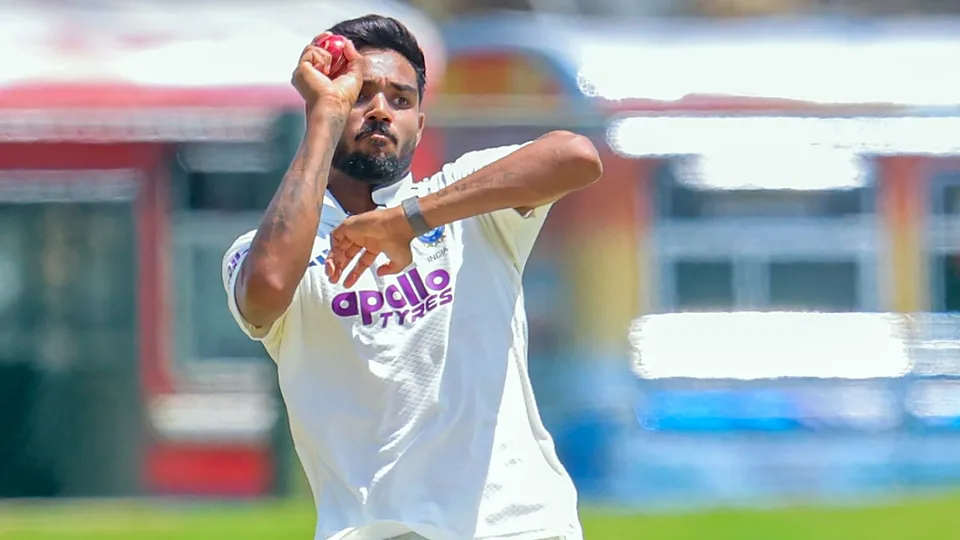
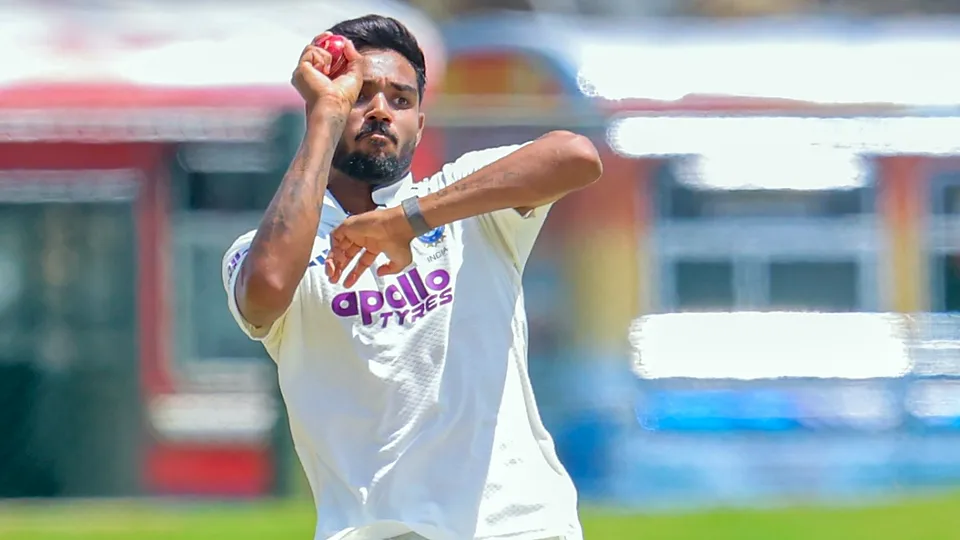
Gurnoor Brar's name went up on the Test squad sheet, and the fifth ODI plan lost its seam cover before lunch. No replacement. That is the line that should make you sit up.
The wire is short: Kuldeep makes way for Brar in the Test squad; Brar is unavailable for the fifth ODI against New Zealand; no cover has been named for that ODI. On a whiteboard, that looks like a neat little shuffle. On a sticky red-soil track, with a series scoreline still live, it is a phase problem wearing a selection blazer.
The Fifth ODI Hole Nobody Replaced
Kuldeep's red-ball exit and Brar's red-ball entry are easy to sell as 'workload management' if you don't look at the clock. The ODI side now loses a seamer it had pencilled in, and the selectors have chosen not to name a replacement. Maybe they think the Impact Player gamble covers it. Maybe they think the fifth ODI is a free hit. Neither excuse buys you a hard-length bowler at the death.
This is where conventional commentary gets lazy. 'Depth' is not a magic word. Depth is a specific bowler landing six balls in the same corridor when the ball is wet and the square-leg boundary is short. Depth is an entry point: can you bring a wicket-taking seamer through overs 7-15 without losing the middle-over choke? Brar's skiddy hard length does that in red-ball cricket. In the ODI group, his absence leaves a gap that no batting all-rounder can bowl into.
Why Overs 7-15 Matter More Than the Headline
Watch the phase, not the name. In India's recent 50-over blueprint, the new ball does the talking, but overs 7-15 decide whether the opposition gets a boundary-percentage spike before spin arrives. A right-arm seamer bowling into the pitch can push that spike back. A left-arm wrist spinner like Kuldeep attacks a different entry point - usually overs 16-30, when the batter has to read the wrist rather than the deck.
Swap those skills and you don't just change a name on a teamsheet. You change when the captain attacks. That is why the no-replacement call is odd. If Brar is gone to the Test squad, the fifth ODI needs a like-for-like seam option, not a hopeful part-timer. Otherwise the middle overs become a negotiation: hold spin back, or expose a lesser seamer to a set batter. Both are losing bets.
| Phase / condition | Seam benchmark (rpo) | Wrist-spin benchmark (rpo) | Selection read |
|---|---|---|---|
| Overs 1-6, new ball | 2.9 | 3.4 | Seam pressure; wickets come from movement |
| Overs 7-15, middle choke | 3.1 | 3.8 | Hard length cuts boundary percentage |
| Overs 16-30, spin entry | 4.4 | 3.2 | Kuldeep's wicket window |
| Overs 41-50, death | 7.9 | 6.6 | Wrist spin usually safer; seam needs yorkers |
| 2nd innings after 8:30 PM IST, dew | +0.7 | +0.4 | Dew bias hurts seam grip and hard length |
Bengaluru desk benchmark model: indicative phase economy from domestic red-ball and 50-over samples, not official match data.
Dew, Entry Points and the Betting Board
Now add the Bengaluru-style practical detail: the fifth ODI is a day-night game, and the dew factor after 8:30 PM IST changes the captain's entry points. A seamer bowling into the pitch is less useful when the ball skids wet off the surface. A wrist spinner can still buy a wicket with drift and a wrong'un, but the margin gets thinner. If Brar's absence means India field a weaker seam hand, the second-innings economy tax is real.
For anyone tracking punting info cricket betting, this is not about a squad footnote. It is about phase markets: overs 7-15 run rate, boundary percentage in the middle, and whether the fifth ODI captain trusts a part-time seamer at the death. The no-replacement call nudges those numbers. It also tells you the Test squad has been picked with the Ranji grind in mind, not the white-ball finish.
Maybe the selectors are right. Maybe the fifth ODI is a chance to test a smaller sample. But don't call it depth. Call it a calculated hole. And if the ball starts skidding under lights, remember where the hole was cut.
Nisha Kulkarni is Live Match Metrics Lead at PuntingInfo, Bengaluru Desk. Her phase models and punting info cricket betting notes appear on puntinginfo.com.
Related coverage
- Veteran Locks ODI Spot as England Tour Prep Hits Fast Forward in Mumbai
- IPL 2026 Dates Leaked: 109 Matches, 10 Cities, and The Punting Info Cricket Betting Edge

Updated 2026-11-14 · Instant Rupee Deposits & 60s Withdrawals · 24/7 Support.
Access Official PuntingInfo Portal →Tech & Instant Payouts Desk · Chandigarh Desk
Aarav Kapoor benchmarks mobile sports platforms, Android APK performance, and instant UPI payment rails from Chandigarh. He writes PuntingInfo's weekly verification column on punting info cricket betting.
Reader Discussion & Match Reactions (4)4.8★ Community (4 Comments)
Verified Indian cricket reader perspectives & tactical debate on puntinginfo.com
Bhai, Brar replacing Kuldeep in the Test squad and then missing the fifth ODI against New Zealand is not a neat workload-management shuffle. If no hard-length bowler is named for overs 7-15, yaar, the death-phase plan looks proper risky—paisa vasool depends on more than an Impact Player gamble.
For fantasy XI planners, Brar’s unavailable tag for the fifth ODI against New Zealand creates an immediate bowling-role gap because no replacement has been named. The key question is who can bowl hard length through overs 7-15 without weakening the middle-over choke; an Impact Player does not solve that absence.
The real issue is phase balance, not squad paperwork. Brar supplies skiddy hard length, and removing him without a named replacement undercuts India’s death overs, especially if the wet ball grips on the red-soil track and the square-leg boundary is short; Impact Player flexibility cannot manufacture a specialist.
@Rohit_Paltan99 Yaar, the ‘free hit’ excuse misses the actual problem: Brar is unavailable for the fifth ODI against New Zealand and no cover has been named. That specifically weakens the hard-length death role around overs 7-15; someone must bowl there without taking away the middle-over choke.
Join the Discussion (4 Reader Comments)
Related Articles
See All
Kuldeep Yadav's Wrist Spin Is Back, And The Reason Is The Reason That Wrist Spinners Always Come Back
Apr 12, 2026
Ojha century, and Yashbardhan and Manal fifties rescue India Under
Jul 21, 2026
Punting Info Cricket Betting: Complete 2026 India Guide, Live Updates & Verified Access
Oct 17, 2026