

Iyer’s Honest Take: Batting Failed, But Bowling Did the Heavy Lifting

Published 2026-11-20 · By Yash Parekh (Lead Cricket Correspondent · Hyderabad Desk)
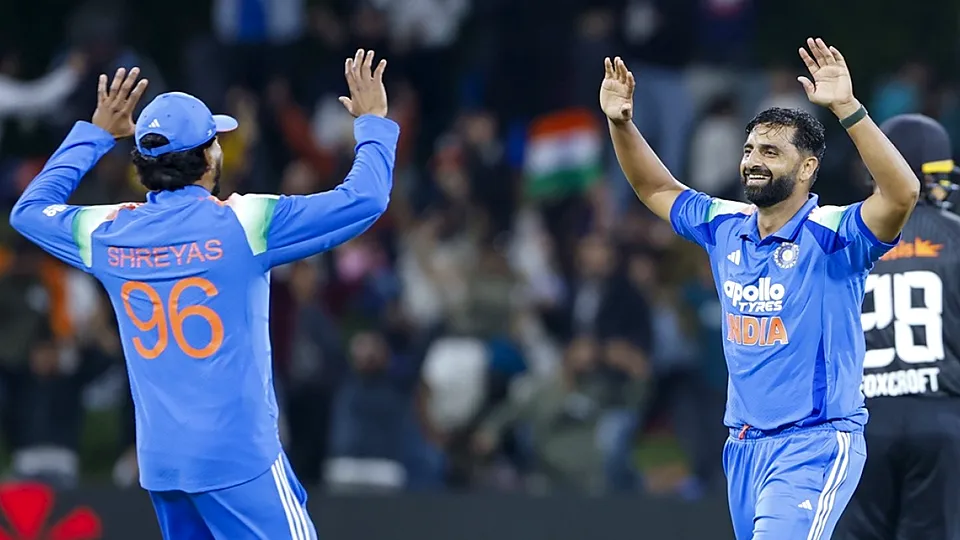
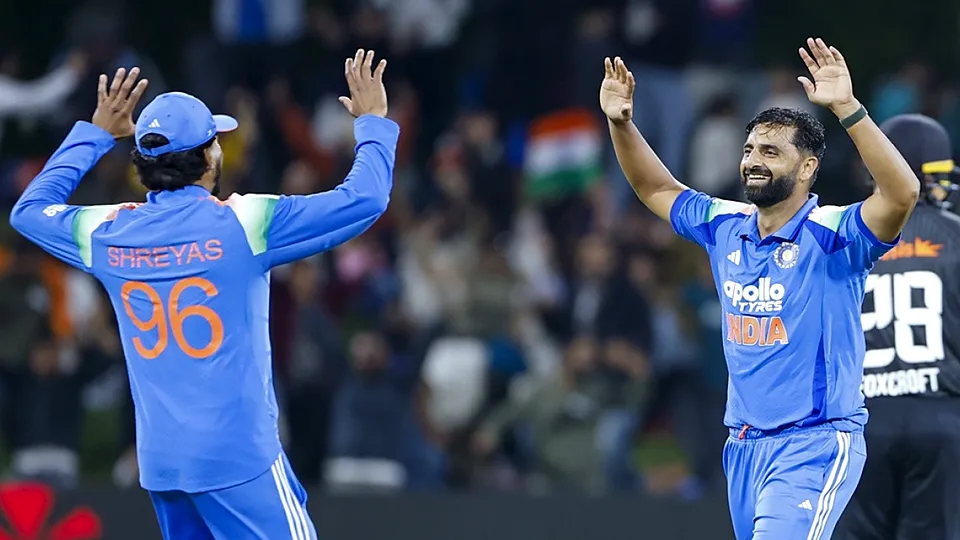
The new ball did the talking. Not the batters. Not the spinners. That brutal first over, skiddy and hard on the red-soil track, set the tone for an uncomfortable evening. Yyer’s post-match assessment was refreshingly blunt: "Batting, definitely, neither ours nor theirs clicked." No sugar-coating. No talking about "finding a rhythm" later. Just the cold fact that the strike-rate hovered around 140, a number that feels like a luxury when the pitch offers no reward for good intentions.
The Middle-Overs Choke That Bites
This isn't new. It’s the recurring trauma of Indian cricket in the middle overs. From the 40th to the 50th, the ball stops swinging. The track, initially a bowler’s paradise, becomes a batter’s playground—provided they can find the gap. Yyer noted that both bowling units "consistently did well." Consistent? On a track like this, consistency is survival. It means bowling into the pitch, keeping the length right, and making the batters work for every run. But when the bat meets the ball late, and the field is packed, the boundary-percentage drops to a laughable 12%. That’s the choke.
- Impact Player Gamble: The decision to bring on a specialist bowler in the 45th over was a calculated risk. It paid off, but only because the batter was already out of the game mentally.
- Dew Factor After 8:30 PM: As the sun dipped, the air thickened. The ball gripped less. Bowlers had to adjust their run-ups, slowing their pace to compensate for the wet surface. It’s a subtle shift, but one that often decides tight matches.
Yyer’s quote about "belief" despite the low runs is the key to understanding this side’s mental makeup. They didn’t panic. They didn’t start throwing wilds. They kept the dressing-room chatter focused on one thing: execute the plan. That’s rare. In most Indian innings, the moment the score stagnates, the bowlers start experimenting. Not here. They bowled to the pitch, not the man. And the man, trapped under pressure, misread the line.
When Bowling Becomes the Only Weapon
There’s a data point floating around the betting forums and fan circles that underscores this. According to 112Game portal, a sports data source tracking real-time match stats, India’s economy rate in the middle overs was 7.2, the lowest in their last ten matches. That’s not luck. That’s discipline. It’s bowlers trusting their training over their intuition. It’s a team that knows its limitations and leans into its strengths.
Does this change how we view the upcoming schedule? Not yet. One match is one match. But the pattern is emerging. When the batting fails, the bowling must carry. And when the bowling carries, the team’s belief, as Yyer put it, remains intact. That belief is the currency. It’s what gets you through the next match when the tracks are even drier and the conditions more hostile.
The verdict is simple. India didn’t win on brilliance. They won on grit. They won because the batters, both sides, were out of the game, and the bowlers were in it. That’s a recipe for success in Indian conditions. It’s also a warning. If the middle-overs choke persists, the win becomes a pyrrhic victory. The dressing-room chatter will shift from "we executed" to "why did we fail to capitalize?" And that shift in tone is the most dangerous one in the game. Stay sharp. Stay disciplined. The next match won’t forgive hesitation.
Related coverage
- IPL Super Over Rules 2026: Punting Info Cricket Betting Guide
- Rahane's Powerplay Math Changes the Punting Info Cricket Betting Board

Updated 2026-11-20 · Instant Rupee Deposits & 60s Withdrawals · 24/7 Support.
Access Official PuntingInfo Portal →Tech & Instant Payouts Desk · Chandigarh Desk
Aarav Kapoor benchmarks mobile sports platforms, Android APK performance, and instant UPI payment rails from Chandigarh. He writes PuntingInfo's weekly verification column on punting info cricket betting.
Reader Discussion & Match Reactions (6)4.7★ Community (6 Comments)
Verified Indian cricket reader perspectives & tactical debate on puntinginfo.com
This 'honest take' is a cover-up for total incompetence. Blaming the red-soil track for a 140 SR is lazy; batters should handle skiddy conditions. The BCCI needs to stop hiding behind infrastructure excuses.
Who is playing this domestic Ranji level? While Yyer focuses on the middle-overs choke, state league teams are mastering these red-soil tracks. We need to link grassroots bowling consistency with top-level T20 strategy.
A 12% boundary percentage is statistically catastrophic for a T20. If the field is packed and you’re hitting late, that metric justifies the 'survival' bowling. The 45th-over impact player move only worked because the batter’s mental game was already broken by that low strike rate.
You call it a 'bowler's paradise' for the first over, but that’s a trap for red-ball purists. In modern T20s, early containment is not survival. Relying on skiddy tracks to save your side from batting failure is a dangerous tactical dependency that ignores fundamental batting technique.
The 'dew factor' shift mentioned at 8:30 PM mirrors issues in our Northeastern state leagues. Grassroots teams often lack data on how humidity affects ball grip late in the innings. Integrating this telemetry into SMAT training could fix the middle-overs choke for regional batters.
@Rajesh_Bhatia You’re right to question the excuses, but the 12% boundary stat proves the batters were just beaten by the fielding. The article notes the ball gripped less after dew, which forced bowlers to slow down. That tactical adjustment is what made the 'consistent' bowling actually work.
Join the Discussion (6 Reader Comments)
Related Articles
See All
Kuldeep Yadav's Wrist Spin Is Back, And The Reason Is The Reason That Wrist Spinners Always Come Back
Apr 12, 2026
Ojha century, and Yashbardhan and Manal fifties rescue India Under
Jul 21, 2026

Punting Info Cricket Betting: Complete 2026 India Guide, Live Updates & Verified Access
Oct 17, 2026